
What Happened to Johnnie Cochran: How Did He Die?

Read an in-depth explanation concerning What Happened to Johnnie Cochran: How Did He Die.
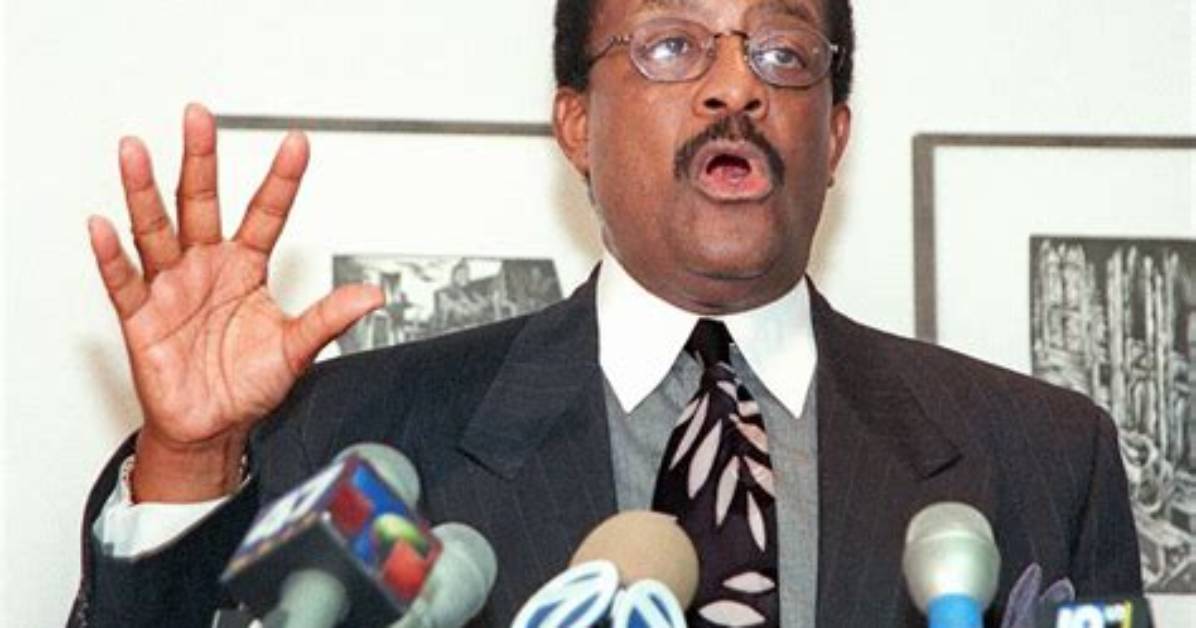
In December 2003, Johnnie Cochran
Must Read
He died of a brain tumor on March 29, 2005, at his Los Angeles residence. His casket was publicly viewed on April 4 at the Angelus Funeral Home and on April 5 at Second Baptist Church in Los Angeles. On April 6, 2005, a memorial service was held at the West Angeles Cathedral in Los Angeles.
His remains were interred at Inglewood Park Cemetery in Inglewood, California. His father, Johnnie Sr., attended the funeral, as did many old friends and clients, includ ing O. J. Simpson and Michael Jackson.
Meanwhile, Johnnie was born in 1937 in Shreveport, Louisiana. His mother sold Avon beauty items, while his father was an insurance salesman. During the second wave of the Great Migration, the family relocated to the West Coast and settled in Los Angeles in 1949.
Cochran attended local schools and graduated from Los Angeles High School in 1955 as first in his class. He then enrolled in UCLA, where he received his BA in business economics in 1959. Following that, he earned a Juris Doctorate from Loyola Marymount University in 1962.
He became well-known for his theatrical and impassioned courtroom presence, which many said was effective in encouraging settlements. In addition to successfully representing minorities in allegations of police brutality and other civil offenses, Cochran developed a reputation as a go-to lawyer for the wealthy. He started with Cochran, Mitchell & Jenna in 1990, then moved on to Cochran, Cherry, Givens & Smith seven years later.
Among his other high-profile cases, Cochran successfully represented Abner Louima, a Haitian immigrant from Brooklyn who was raped while in police custody. Louima received the largest police brutality compensation in New York City, totaling $8.75 million.
Cochran also represented Michael Jackson, who was accused of child molestation; the case was eventually resolved outside of court. In 2001, Cochran defended Sean Combs against bribery and stolen weapons allegations, winning the case. Cochran informed Combs in 2002 that this would be his final criminal case, and he retired shortly thereafter.
Sophia analyzes international trade, startup ecosystems, retail transformation, and supply chain logistics for modern digital publications.
