
Edgar Allan Poe Biography: Wife, Age, Children, Net Worth, Books, Quotes, Works, Facts, Cause of Death, Wikipedia, Height, Photos

Explore the background of Edgar Allan Poe Biography: Wife, Age, Children, Net Worth, Books, Quotes, Works, Facts, Cause of Death, Wikipedia, Height, Photos in...
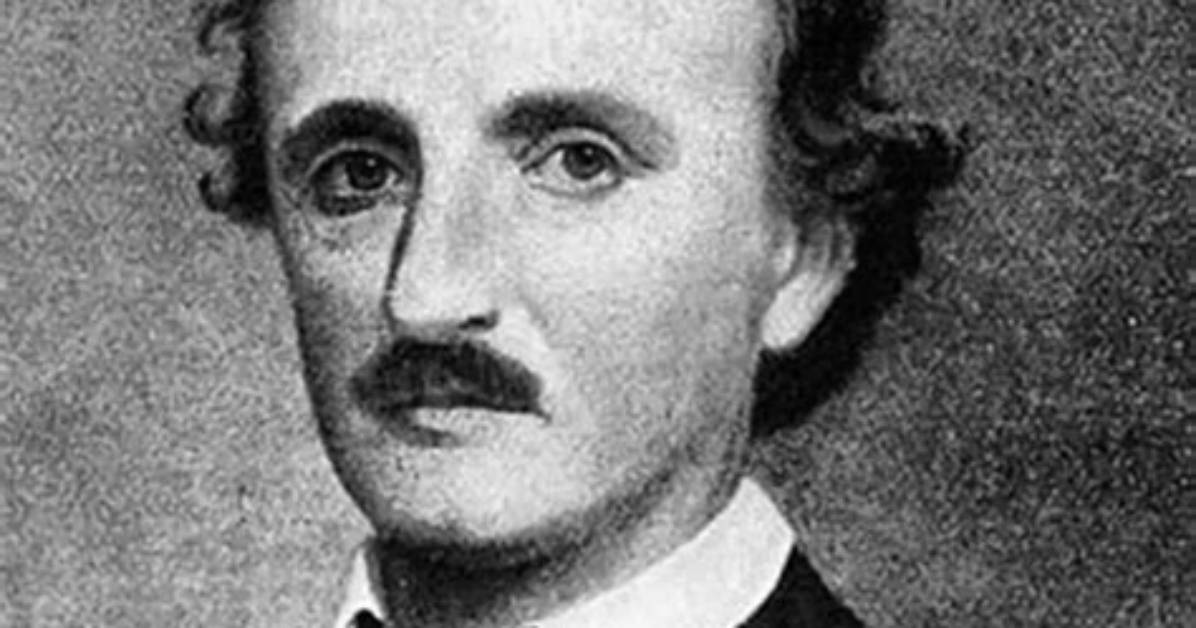
Edgar Allan Poe could not support himself, so he enlisted as a private in the United States Army on May 27, 1827, under the name “Edgar A. Perry.” He claimed to be 22 years old even though he was only 18. He served at Fort Independence in Boston Harbor for the first five dollars a month.
Must Read
That same year, he published his first book, Tamerlane and Other Poems, a 40-page collection of poetry with the byline “by a Bostonian.” Only 50 copies were printed, and the book received little publicity. On November 8, 1827, Edgar Allan Poe‘s regiment was posted to Fort Moultrie in Charleston, South Carolina, and traveled by ship on the brig Waltham.
Edgar Allan Poe was promoted to “artificer,” an enlisted tradesman who prepared artillery shells, and his monthly pay was doubled. He served for two years and rose to the rank of Sergeant Major for Artillery (the highest rank a non-commissioned officer could attain); he then attempted to terminate his five-year enlistment early.
Edgar Allan Poe revealed his true identity and circumstances to his commanding officer, Lieutenant Robert L. Howard, who would only release Poe if he reconciled with Allan. Poe wrote a letter to Allan, who was unconcerned and ignored Poe‘s pleas for several months.
Allan may not have even written to Edgar Allan Poe about his foster mother’s illness. Frances Allan died on February 28, 1829, and Poe visited her the next day.
After securing a replacement to finish his enlisted term for him, Edgar Allan Poe was finally discharged on April 15, 1829. Before enrolling at West Point, he returned to Baltimore to visit his widowed aunt Maria Clemm, her daughter Virginia Eliza Clemm (Poe’s first cousin), his brother Henry Poe, and his invalid grandmother Elizabeth Cairnes Poe.
Edgar Allan Poe received “the very first words of encouragement I ever remember hearing” in a review of his poetry by influential critic John Neal in September of that year, prompting him to dedicate one of the poems to Neal in his second book Al Aaraaf, Tamerlane, and Minor Poems, published in Baltimore in 1829.
On July 1, 1830, Poe traveled to West Point and enrolled as a cadet. Allan married his second wife, Louisa Patterson, in October 1830. The foster father disowned Poe after the marriage and bitter quarrels with him over Allan‘s children from extramarital affairs.
Edgar Allan Poe deliberately decided to leave West Point by being court-martialed. He was tried for gross neglect of duty and disobedience of orders on February 8, 1831, for refusing to attend formations, classes, or church. He pleaded not guilty on purpose to be dismissed, knowing full well that he would be found guilty.
Edgar Allan Poe moved to New York in February 1831 and published Poems, his third volume of poetry. The book was funded with the assistance of his fellow West Point cadets, many of whom donated 75 cents to the cause, raising a total of US$170.
They might have expected verses like the satirical ones Poe had written about commanding officers. Elam Bliss of New York printed it, labeled it “Second Edition,” and included a page that said, “To the United States Corps of Cadets, this volume is respectfully dedicated.”
The long poems “Tamerlane” and “Al Aaraaf” were reprinted, but so were six previously unpublished poems, including early versions of “To Helen,” “Israfel,” and “The City in the Sea.”
David Miller brings 15 years of experience in global economics, personal finance strategy, and market dynamics. He specializes in turning complex economic trends into actionable insights for everyday readers.
